What Is a Sales Funnel, and How Do You Build One That Works for Your Business?
November 07, 2025
Authored by: Kristin Johnson• 4 Minute Read
Key Takeaways:
- A clear sales funnel helps turn prospects into customers: Guide people from discovering your business to considering, purchasing, and eventually returning by providing helpful information and making each step easy.
- Small improvements can reduce missed sales: Focus on the channels your customers use, offer value before asking for a purchase, stay connected with interested prospects, simplify the buying process, and follow up after the sale.
If you’ve ever had someone visit your website, ask a few questions, and then disappear without buying anything, you’re not alone. It happens to nearly every business owner at some point.
The good news? You can do something about it. A clear sales funnel helps you see how potential customers move from discovering your business to making a purchase – and eventually coming back for more.
Understanding the sales funnel
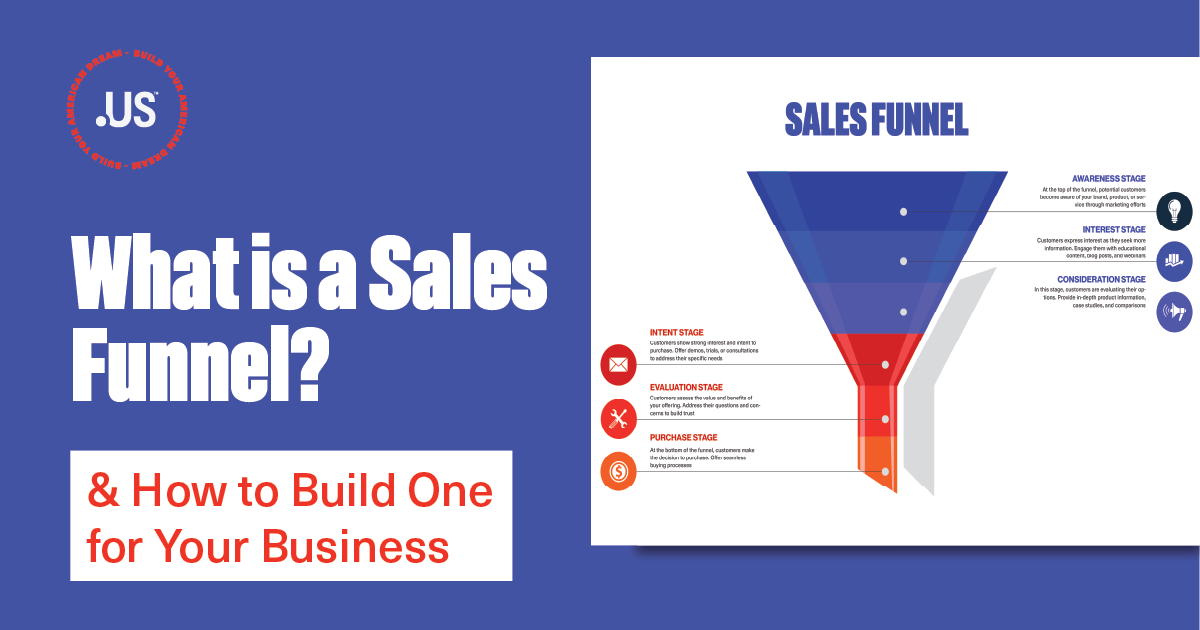
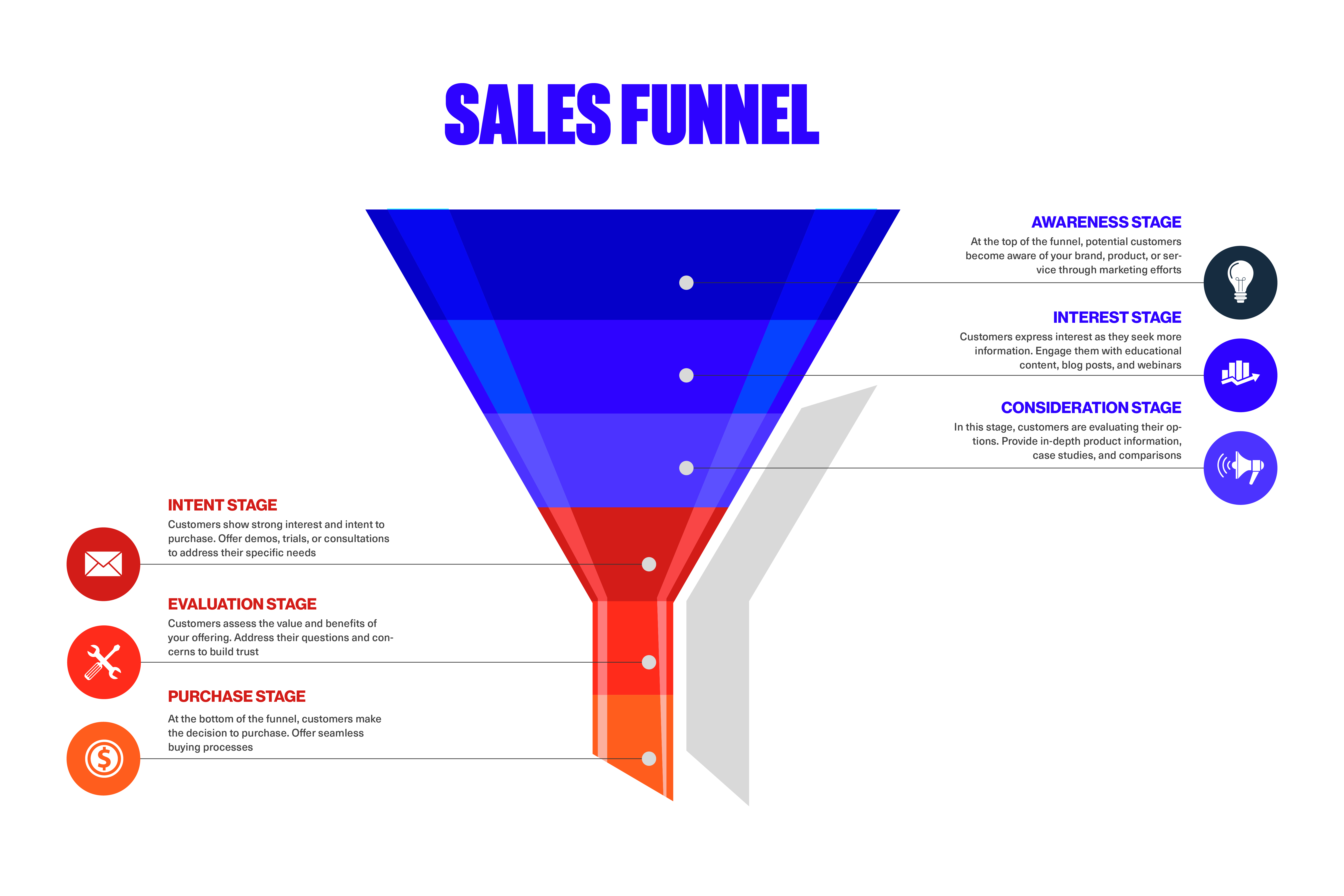
So, what is a sales funnel exactly? Think of it as an upside-down triangle, where lots of people start at the top and a smaller group makes it to the bottom.
At the top, people are just finding out you exist. In the middle, they’re considering whether you’re the right fit. And at the bottom, they make a purchase. Not everyone will follow the same path, and that’s OK. Your goal is to make the journey as smooth and helpful as possible for the ones who do.
Why it matters for your business
Having a well-thought-out funnel means you can focus your time, budget, and marketing efforts more effectively. Instead of reacting to whatever seems urgent, you can plan your content and communication based on what your customers need at each step.
That means fewer missed opportunities, stronger relationships, and consistent sales. It also gives you peace of mind, knowing you have a simple plan to guide people from “just looking” to “let’s do this.”
Step 1: Attract the right attention
Start by thinking about how people are finding you now. Maybe it’s through social media, Google searches, local events, or word of mouth. This is the top of your funnel, where awareness happens.
The goal is to make it easy for people to find you when they’re looking. Focus on one or two channels where your ideal customers already spend time, and show up there regularly with content that answers their questions or solves a small problem.
Step 2: Offer value before the sale
Once someone is paying attention, give them a reason to stay interested. Offer something small but valuable that speaks to their needs and keeps your business front of mind, from a free resource to a short consultation or a sample. If you’re a dog trainer, for instance, you might share a free tip sheet on house training furry friends. The idea is to build trust and keep the conversation going.
Step 3: Stay in touch, even if someone’s not ready to buy
It’s pretty common for people to check out a business, get interested, then move on without buying, especially if they’re browsing or just getting to know you. That doesn’t mean they’re not a good fit. It just means they might need a little more time, or a reminder later on.
Offer folks a simple way to stay connected. Try adding an email sign-up to your website, a QR code near your register, or a friendly prompt to follow you on social media. To make it worth their while, let them know what they’ll get in return, such as early access to sales, updates on new offerings, or a little something special for joining your list.
Once you’ve opened the door, you’ll have more chances to build trust and eventually turn that interest into a sale.
Step 4: Make it easy to buy
When someone is ready to buy, make the path as simple and stress-free as possible. Your pricing should be clear, and the steps to purchase should feel straightforward. If people are abandoning their carts or hesitating after making an inquiry, take a closer look at whether your process is confusing or creating extra steps. Ask a friend you trust to try it out and tell you what works and what’s unclear.
Step 5: Continue after the purchase
A quick thank-you goes a long way. You can also check in, ask for feedback, or let customers know about something else they might enjoy. This is often the part of the funnel where loyal, long-term relationships begin.
Start with what you know
You don’t need fancy tools to get started. Instead, take time to think about your last few customers: how they found you, what helped them decide, and what might have made things easier along the way. Even small changes can have a real impact. Over time, you’ll build a system that feels natural, runs smoothly in the background, and helps more people find their way to you.