Key Takeaways:
- Josh Forsythe transformed a backyard interest in raising quail into Forsythe Farms, a state-licensed urban quail farm focused on sustainable food production, quality, and education.
- Through workshops and fresh, locally produced quail eggs, Forsythe Farms empowers families to take control of their food systems, even with limited space.
Most people don’t associate city living with farming, and even fewer picture quail as part of an urban food system.
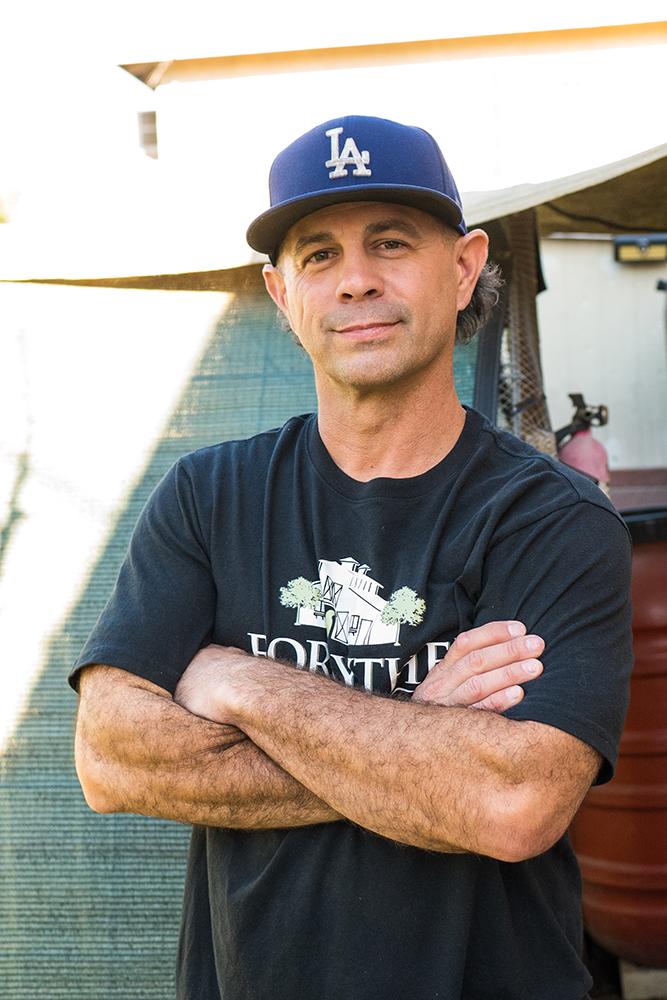
Josh Forsythe didn’t either, until a personal interest turned into something more deliberate. Based in Southern California, Josh is the founder of Forsythe Farms, a state-licensed urban quail farm that began not as a business, but as a way to take food quality into his own hands.
“The farm began with a simple goal: to take control of the quality of food my family was consuming and to explore sustainable ways to produce nutrient-dense protein in an urban setting,” Josh said.
What followed was a period of experimentation, research, and learning, carried out in a backyard rather than on traditional farmland.
Starting Without a Farming Background
Josh didn’t come to farming through family or tradition.
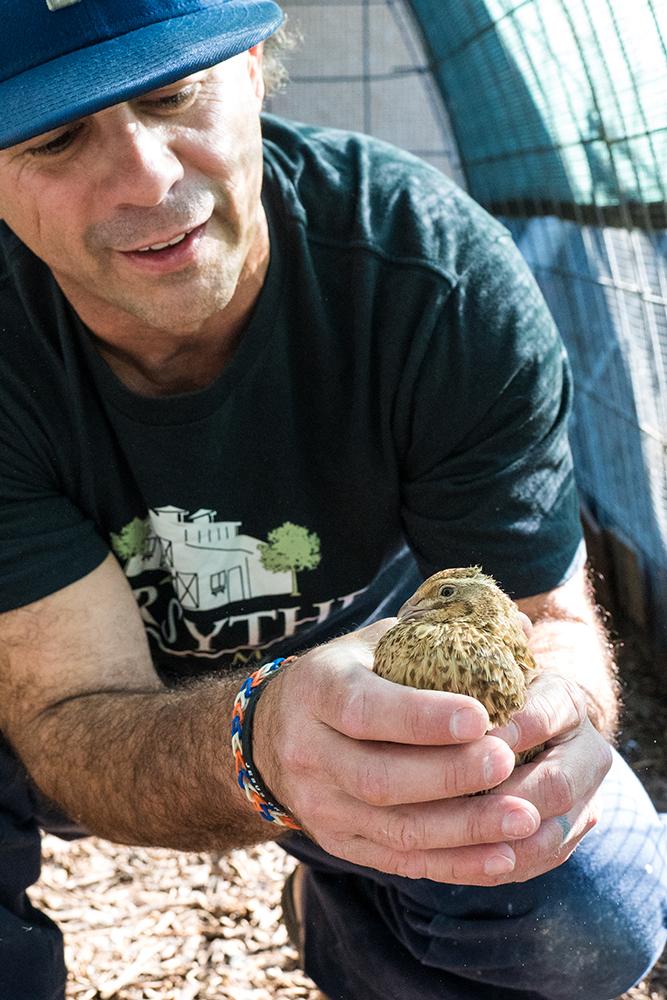
“Unlike many small farms, Forsythe Farms was not inherited or passed down through generations,” he said. “I did not grow up farming or take over family land.”
That absence of background shaped how he approached the work. Instead of relying on instinct or precedent, he focused on understanding the rules, the responsibilities, and the realities of raising animals in a city.
“At one point, I truly did say, ‘I want to raise quail,’ and from there committed to learning everything necessary to do it responsibly, legally, and sustainably,” he said.
Why Quail Came First
The choice of quail was practical rather than sentimental.
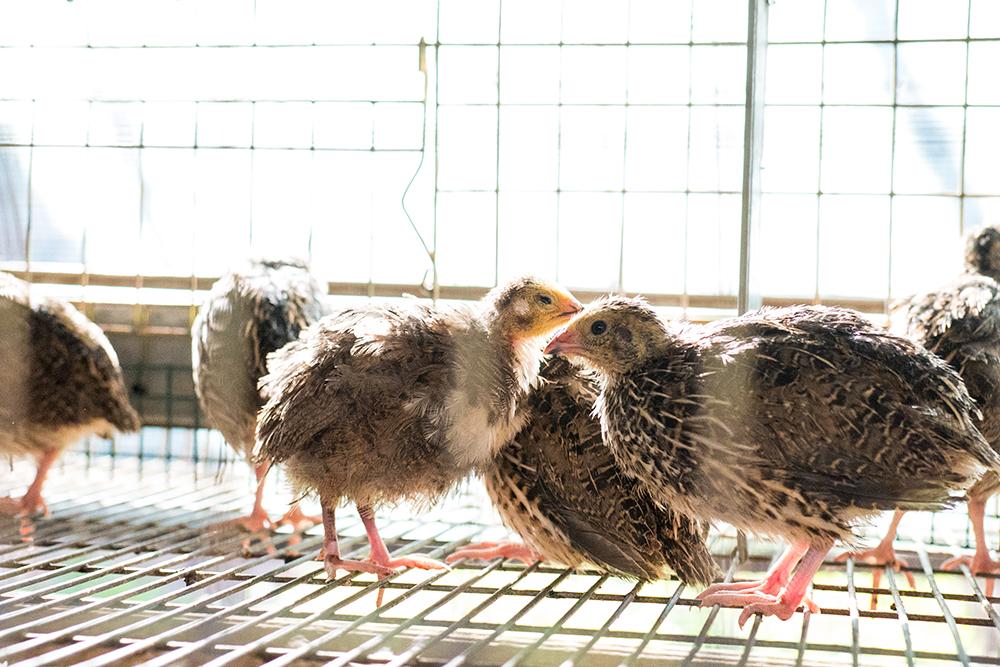
“Quail were chosen intentionally,” Josh explains. “They are quiet, efficient, fast-maturing, and exceptionally well-suited for urban and small-space farming.”
Their low space requirements and nutritional value aligned with Josh’s original goal of producing food responsibly at home. Quail also made it possible to explore small-scale farming without trying to force a rural model into an urban environment.
When Others Started Paying Attention
As Josh refined his approach, people around him began to notice.
“What started as a small backyard project quickly gained attention as friends, neighbors, and the local community experienced the quality and flavor of quail eggs firsthand,” he said.
Questions followed, then requests. Rather than keeping things informal, Josh made the decision to formalise the work and operate within a clear regulatory framework.
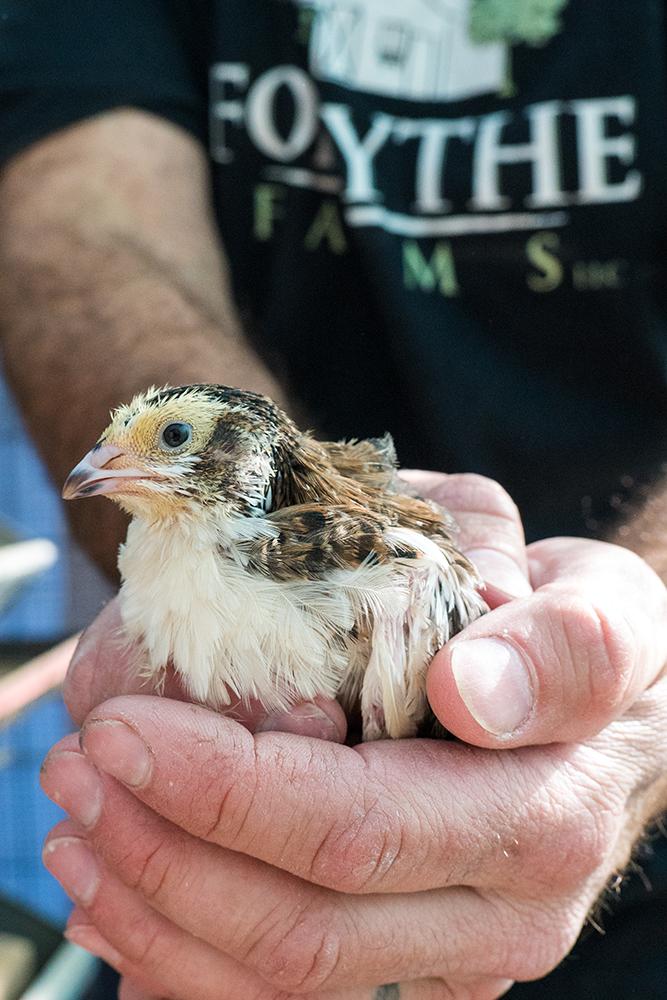
Officially founded in 2015, Forsythe Farms became a state-licensed urban quail farm, focused on egg production, breeding, and education. The move wasn’t driven by ambition to scale quickly, but by a desire to do the work properly.
“One of the biggest challenges has been scaling responsibly while remaining compliant with regulations and maintaining ethical, high-quality standards,” Josh said.
Education as Part of the Work
Quail are unfamiliar to many people, and that unfamiliarity has shaped how the farm operates.
“In addition to product offerings, the farm provides educational workshops and courses that focus on quail husbandry, urban farming, and sustainable food production,” Josh said.
The courses are designed for people who are curious but constrained by space, experience, or confidence. For Josh, education reinforces the purpose of the farm rather than distracting from it.
“These educational efforts are designed to empower individuals and families to participate in their own food systems, even with limited space,” he said.
A Business Grounded in Community
When Josh talks about success, he points to people rather than numbers.
“The proudest moments come from community impact,” he said. “Seeing customers enjoy truly fresh eggs, watching workshop participants confidently start their own quail setups, and knowing Forsythe Farms has helped people feel more connected to their food.”
That focus on place and community extends online as well. Forsythe Farms uses a .US domain, a choice Josh made deliberately.
“The .US domain was chosen to reflect pride in being an American, community-based farm,” he said. “It represents a commitment to local food systems, domestic agriculture, and serving the community right here in the United States.”
Forsythe Farms came to life because Josh gave his curiosity room to run. Sometimes that’s how businesses begin: not with a business plan, but with a hobby taken seriously and the decision to keep going long enough to see where it leads.