HalalWallet.US Makes Faith-Based Financing Easier to Compare
June 15, 2026
Authored by: Kristin Johnson• 6 Minute Read

Key Takeaways:
- HalalWallet.US makes Shariah-compliant finance easier to navigate by comparing financial products, explaining complex Islamic finance concepts in plain English, and offering free tools to help Muslim Americans make informed, faith-aligned financial decisions.
- Trust and transparency are at the heart of HalalWallet.US. The platform prioritizes scholarly guidance, clear product information, and transparent affiliate disclosures while using the .US domain to reinforce its focus on the American financial market.
Kyle Natter was working in consumer lending when a client from Syria asked him about Islamic home financing options. He didn’t have a good answer, which bothered him enough to start looking for one.
“The platform began with a question I couldn’t answer,” said Kyle Natter, co-founder of HalalWallet.
The question wasn’t only about finding a lender or comparing a rate. For a Muslim consumer trying to follow Islamic financial principles, the first issue may be whether a product is religiously permissible to use at all. That can make an ordinary financial search much harder, especially when the available information is scattered across provider websites, legal language, and explanations written for people who already know the category.
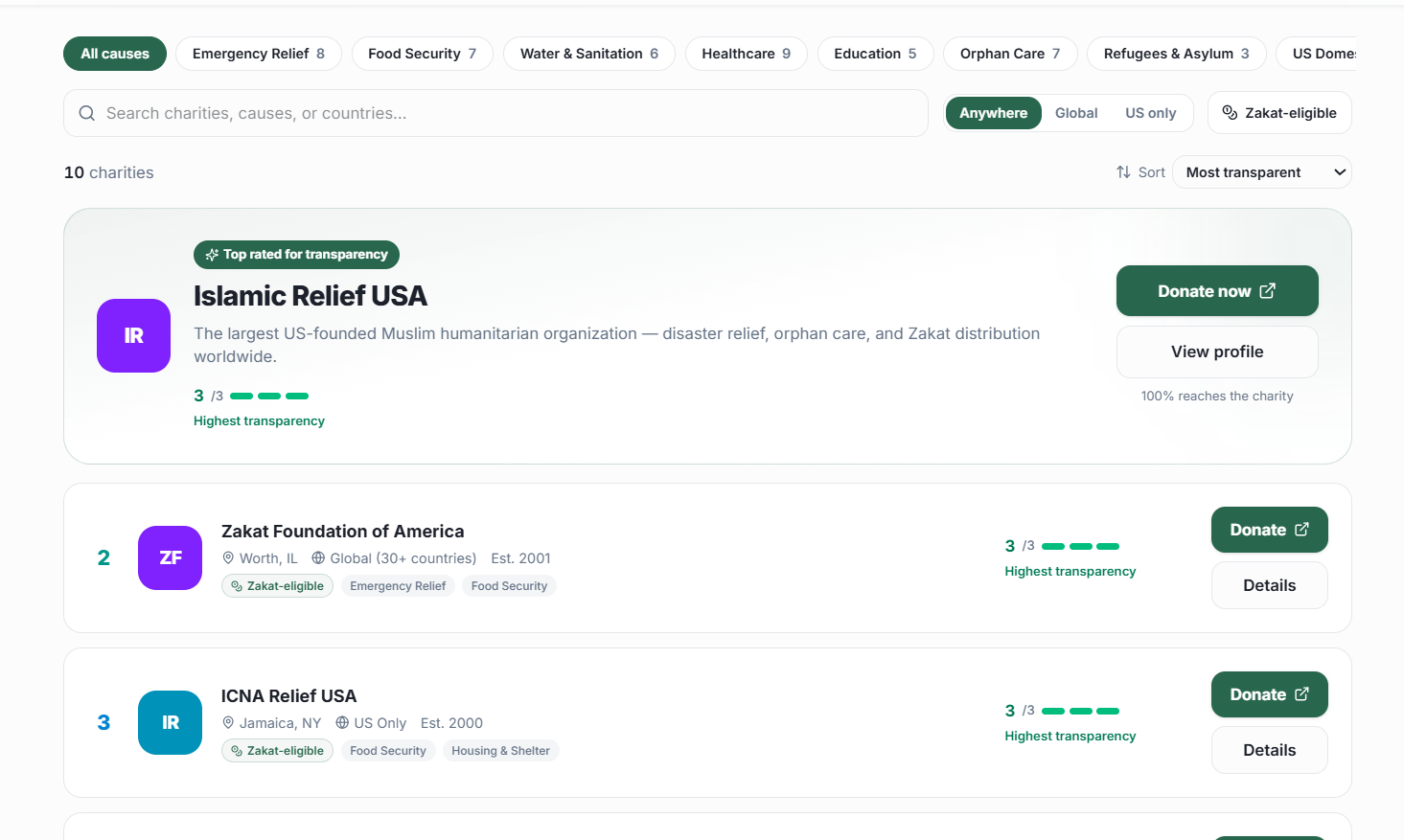
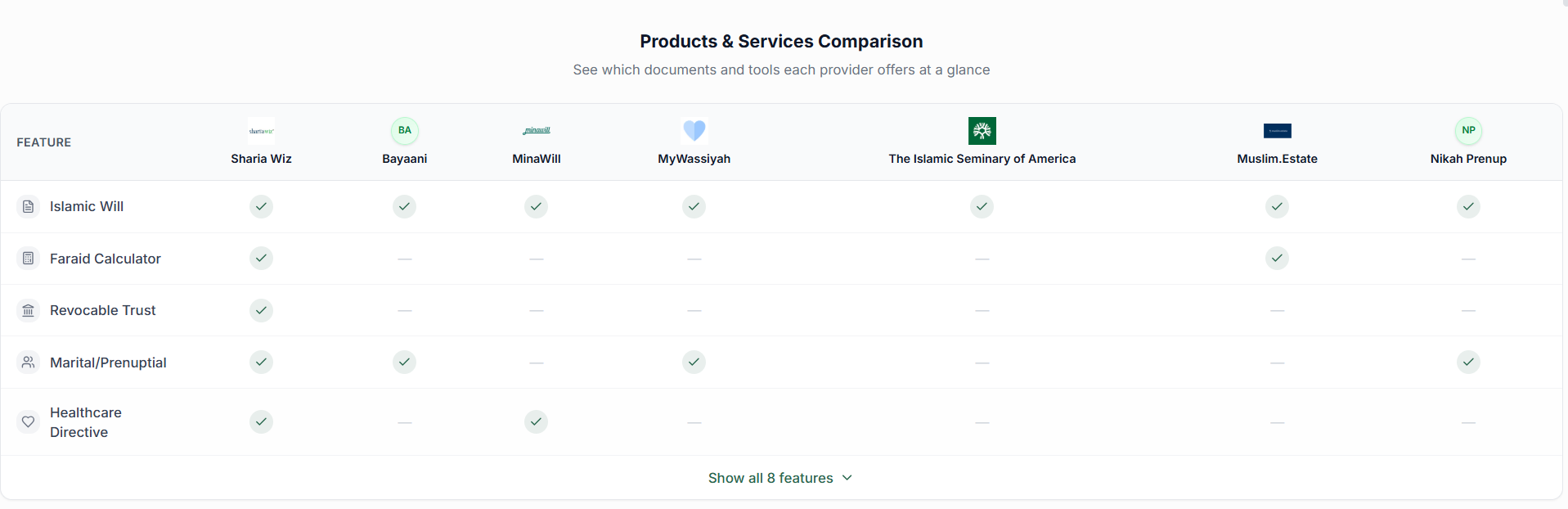
HalalWallet.US grew from that gap. Founded in 2025, the independent platform compares Shariah-compliant financial products from providers across the United States. It also publishes editorial guides and free calculators for faith-aligned financial decisions, including charitable contributions and inheritance.
What Shariah Compliance Means in Finance
Shariah is Islamic law. In finance, this means a product has been structured so a Muslim person can use it while following Islamic principles (halal). That usually means avoiding certain items that are considered haram: interest, excessive uncertainty, and business activity tied to industries that aren’t permitted under Islamic law (alcohol or gambling, for example).
It’s also why a conventional financial product may not work for someone seeking a halal option. Many mainstream loans are built around interest, so an alternative may need a different contract structure. A home financing product, for instance, may be designed around a partnership or lease-to-purchase model rather than a standard interest-bearing loan.
Kyle gives the simpler version: “It’s finance you can practice without compromising your religious values.”
On traditional finance sites, like NerdWallet, comparison becomes difficult when a family has to look beyond the monthly cost and assess whether the product has been structured in line with Shariah principles. They may want to know how a contract works, whether Islamic finance scholars have reviewed its structure, and whether the provider has explained the arrangement plainly enough for a non-expert to assess it.
Trust Starts With Showing The Work
The scholar review is a major part of the trust question. In halal finance, qualified scholars can examine a product’s structure and give an opinion on whether it aligns with Shariah principles. But without that information, a product can look appealing on paper while leaving the most important question unanswered.
Islamic finance doesn’t always produce one settled answer. Different scholarly traditions exist, and qualified scholars can reach different conclusions about the same product. HalalWallet.US doesn’t try to turn that complexity into a simple yes or no.
“We don’t believe it’s our place to tell Muslim Americans which view is right,” Kyle said.
That restraint is especially important because Kyle and co-founder Robert Mallon came to Islamic finance as newcomers. Kyle said that shaped the platform for the better. From the start, they knew they couldn’t build it responsibly from their own assumptions. Before writing product reviews, they partnered with Niya, a Silicon Valley venture studio focused on technology for the Muslim community, and built the editorial process around guidance from Muslim advisors and Islamic financing specialists.
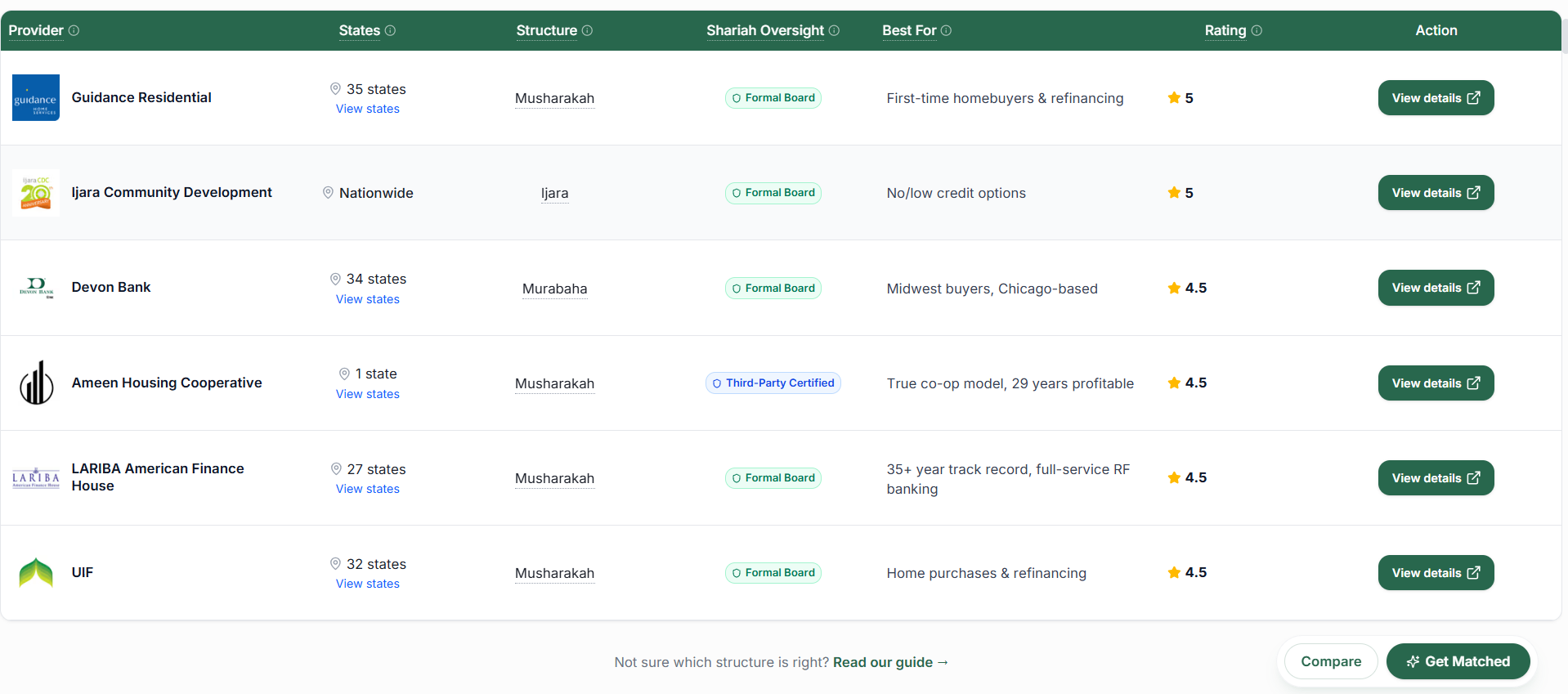
HalalWallet.US focuses on bringing the relevant information closer to the surface: Has the provider published a scholarly opinion? Is the contract structure clear? Can a reader understand how the product works before handing over personal information or booking a call?
“Trust is the entire product,” Kyle said.
The platform applies that same approach to its own commercial relationships. Affiliate disclosures appear on product cards, and Kyle said a provider's rating is not determined by whether or not they pay for a featured tag. In a category where money and faith sit so close together, a comparison only works if people can see what’s behind it and trust what they’re reading.
Access For Decisions People Can’t Put Off
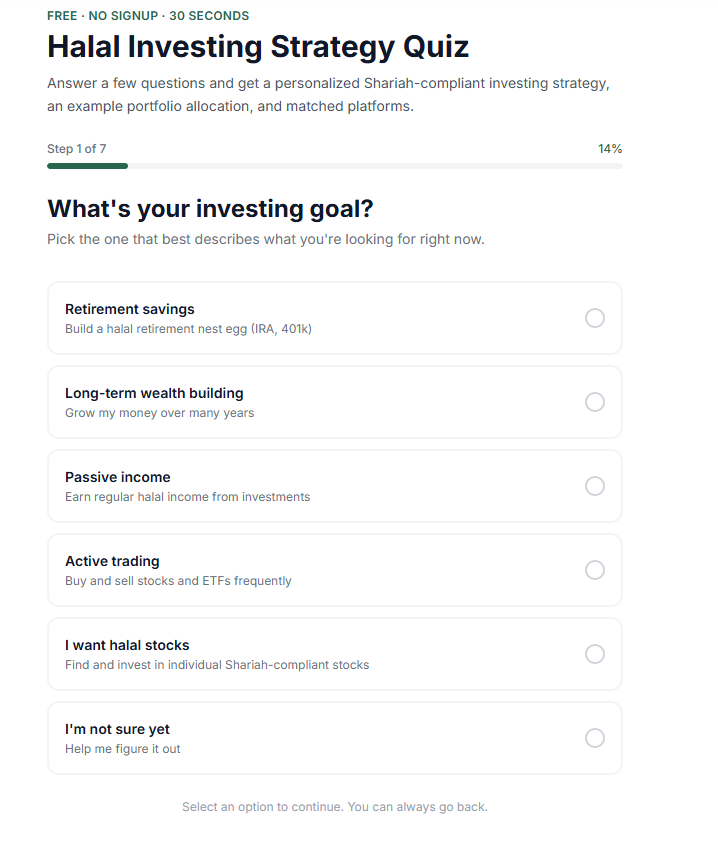
HalalWallet assumes users may arrive with pressure already attached to the decision. One visitor might be trying to buy a home, while another is preparing a Shariah-compliant will or calculating Zakat before Ramadan ends. The site can’t assume every reader arrives with the same financial knowledge, or the same familiarity with Islamic finance terms.
The platform is designed around that reality. It compares financial options and makes the language around them easier to use when someone has a major decision to make and time isn’t on their side. Traditional Arabic terms sit alongside plain-English explanations. The calculators are free, and there’s no paywall or email gate standing between the reader and the tools.
“Faith should not be a luxury good, and neither should the language to navigate it,” Kyle said.
A .US domain for a U.S.-Specific Financial Resource
HalalWallet.US isn’t trying to serve every market at once. Kyle said the platform was created for people making financial decisions inside the American system, where a halal product still has to be understood through U.S. rules. That can become especially practical in home financing, where state licensing may determine whether a customer can use a product at all.
The .US domain helps set that expectation early. Before someone reaches a product card, the address already suggests that this is a resource grounded in the U.S. market, rather than a global directory or a general education site.
“For an American-built, American-serving brand like HalalWallet.US, the .US extension wasn’t a fallback; it was the right answer,” Kyle said.
The domain can make the focus easier to see, but the harder work starts once a visitor arrives. HalalWallet.US still has to make a complicated category possible to compare, especially for people trying to understand whether a product fits both their financial situation and their faith.
Kyle is already thinking about how that information could travel beyond the site itself. One priority is an open data layer that would help publishers, fintech platforms, and AI assistants cite halal product information accurately.
It’s an extension of the same problem that started HalalWallet in the first place: someone asked a reasonable financial question and couldn’t find a reliable answer. Kyle wants the next person to be able to ask in more places, with less risk that the answer is incomplete, outdated, or guessed.