From South African Mill to Global Icon: The Remarkable Journey of Mungo Textiles
July 08, 2024
Authored by: Kristin Johnson• 8 Minute Read
Key Takeaways:
- Mungo builds its brand around ethical, transparent production, using heirloom-quality textiles, sustainable manufacturing, skilled local employment, and initiatives that support its South African community.
- The brand uses transparency and digital storytelling to connect with customers, from opening the Mungo Mill to visitors to using its Mungo.US website and .US domain to build trust with its U.S. audience.
In a country plagued by an energy crisis and “load shedding,” the team behind Mungo remains committed to creating heirloom-quality woven goods with integrity in an open and transparent manner.
After years as a copywriter, Georgina Selander felt compelled to leave her freelance life behind and embed herself as an in-house writer at Mungo. She joined the homeware textile company five years ago, driven by Mungo’s mission for ethical trading, sourcing quality fibers, and creating textiles to stand the test of time. Despite the prevalence of cheaper textile alternatives found at big box retailers, Mungo believes that if people understand where something comes from and how it is made, they will value it more, and in turn this can help encourage conscious purchasing decisions. Textile manufacturing has become solely driven by the bottom line. This means inferior yarn quality, less pay for workers and compromised working conditions. Mungo defies the status quo in the textile industry and won’t compromise on production methods or cost of raw materials when it comes to producing a quality product.
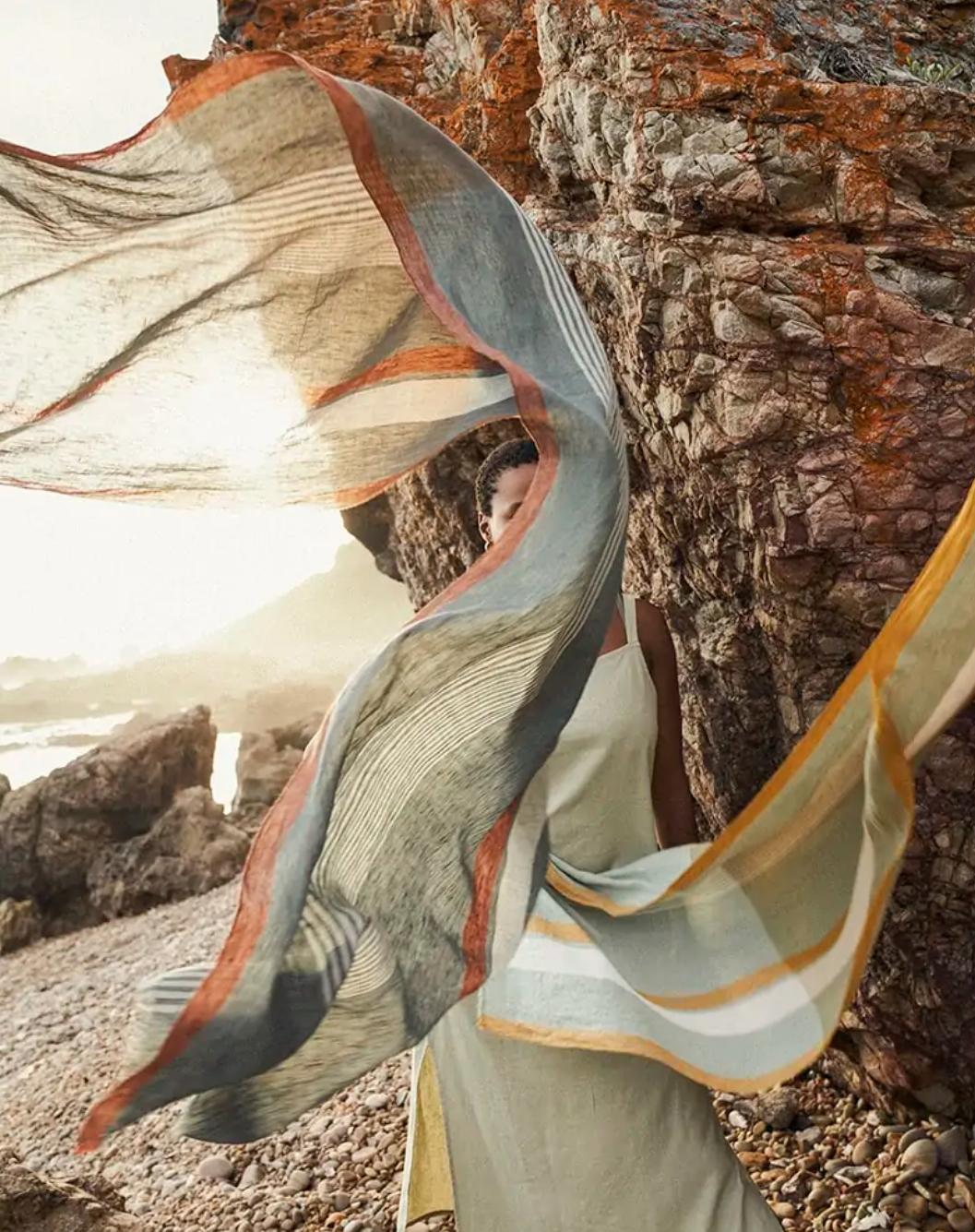
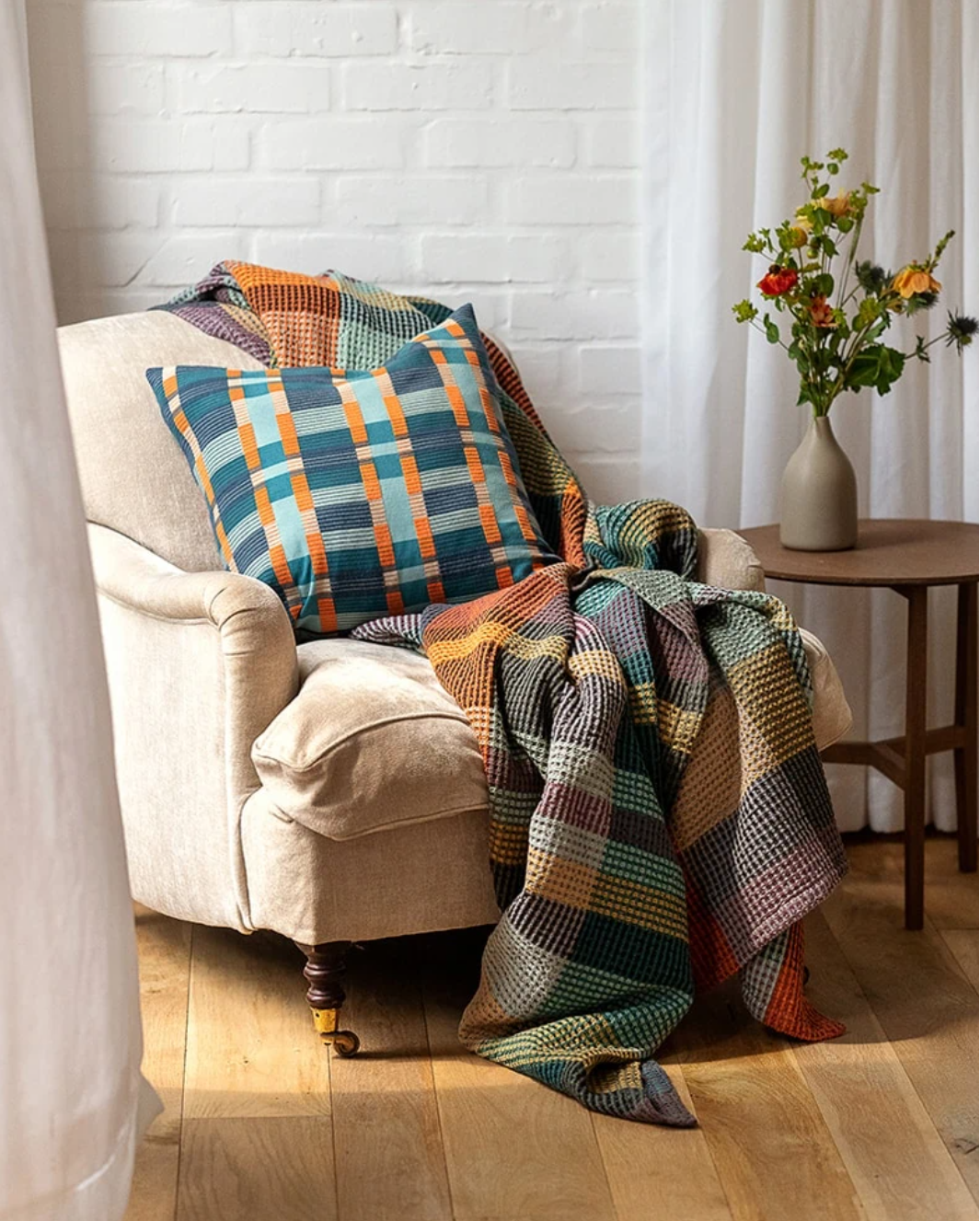
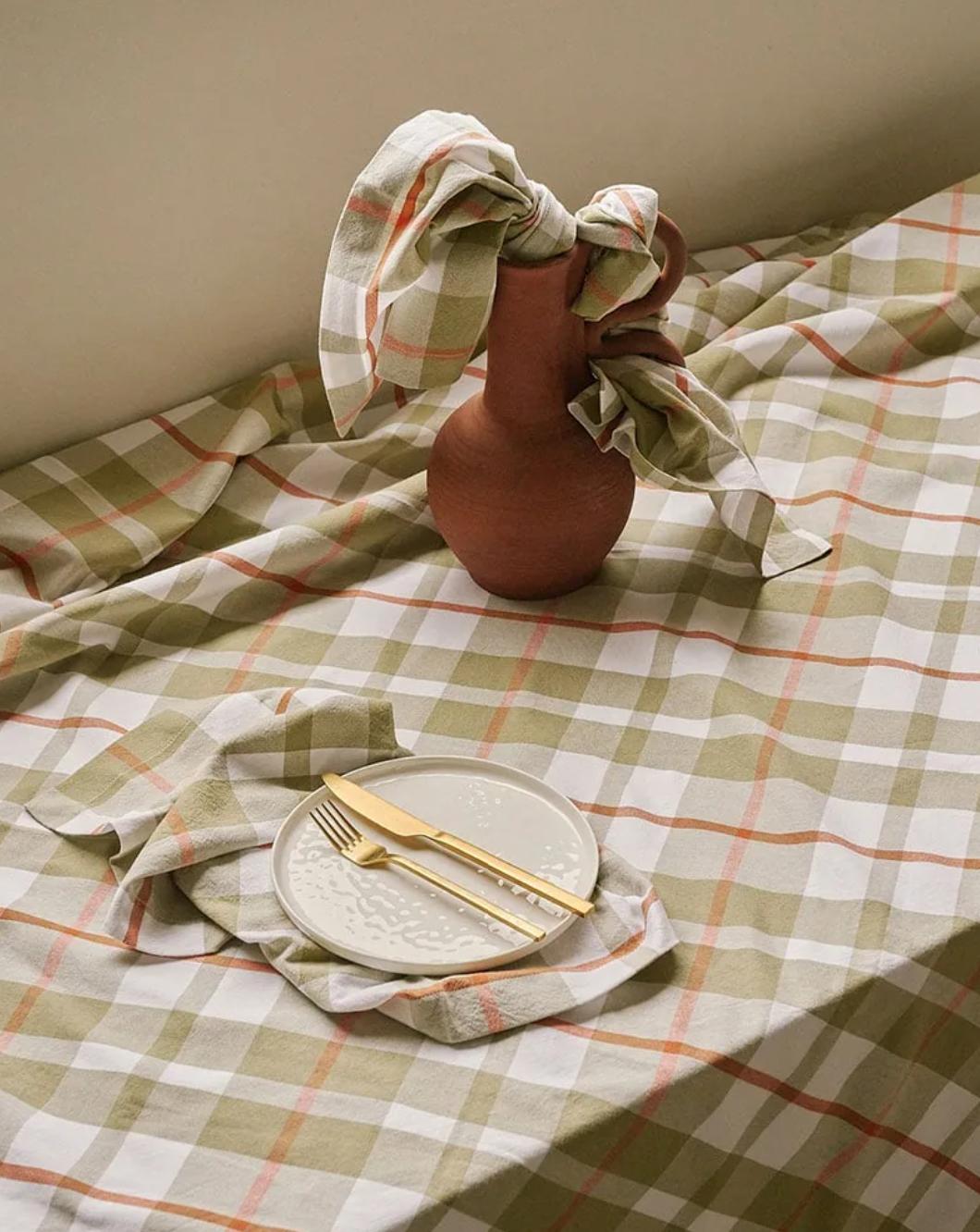
“I was drawn to Mungo by the ethos, the company values, approach to sustainability and responsible innovation,” says Selander. “It’s not just clever marketing speech–it comes from a place of honesty and intention.”
Mungo was founded in 1998, when master weaver Stuart Holding procured two antique looms, which he restored by hand. He began weaving homeware textiles from an old barn where locals would watch him create. He would sell them at alongside ceramics crafted by his wife, Janet. But growing demand moved them to a larger building and in just a few years, the founder expanded with five physical stores in South Africa: Cape Town, High Constantia, Stellenbosch, Johannesburg and Plettenberg Bay. Today, Mungo has more than 100 employees and its products are sold worldwide, including to the states via its Mungo.US website and its delivery hub in Detroit. The skills of the weavers and production team not only create a great product, but also opportunities for job creation, social responsibility and positive impact on the local economy – all in an authentic and meaningful way. Many of the weavers have been trained from scratch, working their way up from apprentices to full-fledged machine operators. A handful of them were trained by Stuart himself at his previous factory, close to 30 years ago, and the seamstresses have either gained their trade through higher education or the craft was handed down through their parents. Mungo’s mission is to provide a product of exceptional quality and beauty, while providing employment and skills development to the local community.
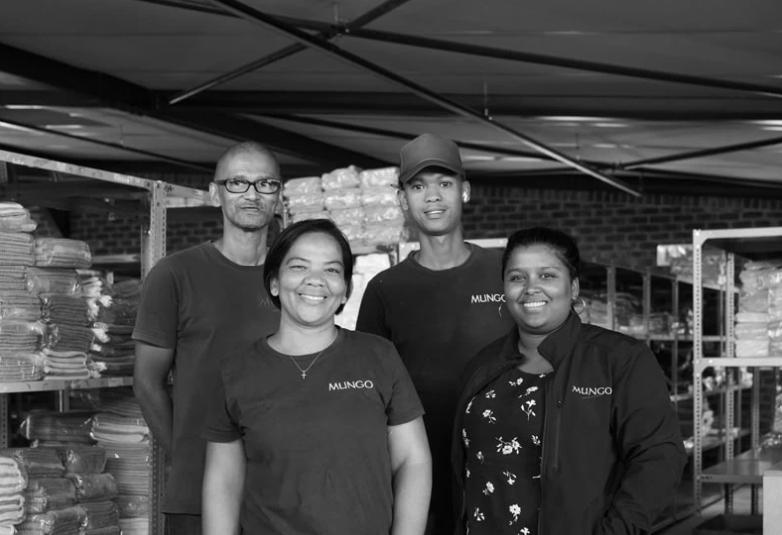
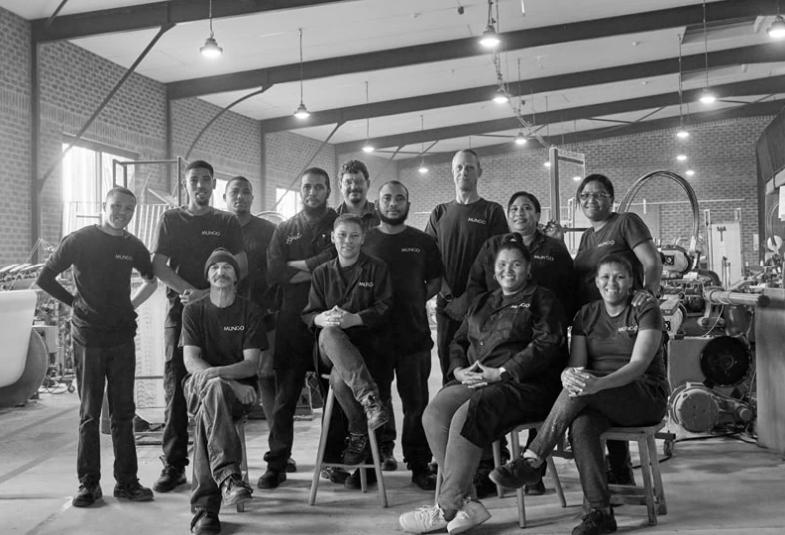
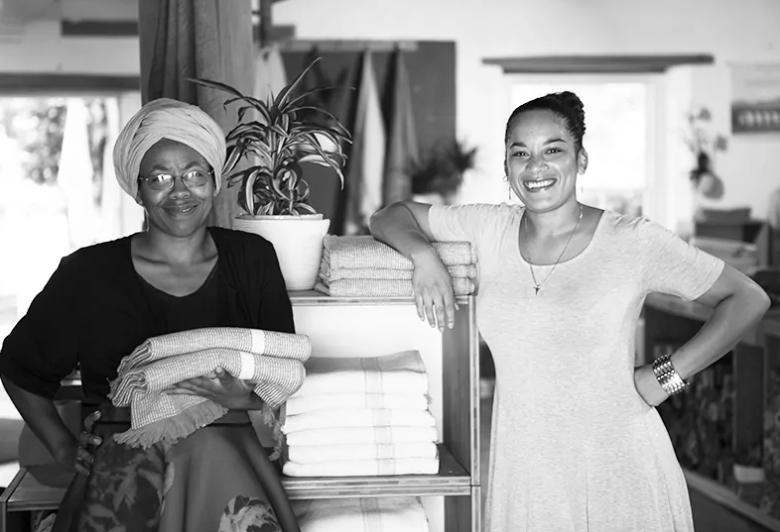
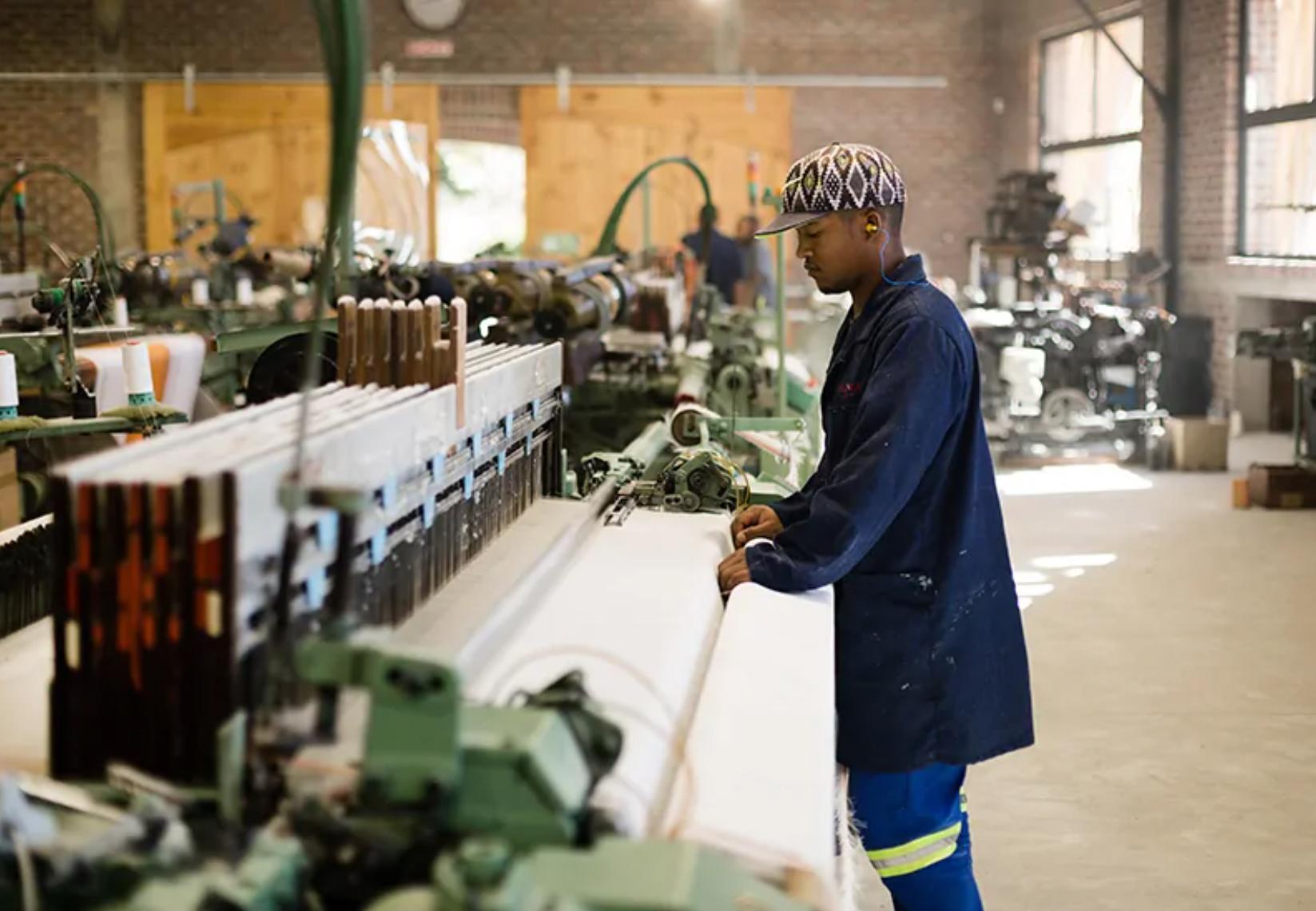
Via its global ecommerce and retail operations, anyone can secure the magic that is made from the Mungo Mill in South Africa, the brand’s hub of production where all textiles are designed, woven and made. The facility is based in Plettenberg Bay, a scenic coastal town along South Africa’s Garden Route. For the Mungo team, the mill is a physical symbol of what the company stands for: “Quality, originality, transparency, innovation and independence–these drive the ship here. And I feel privileged to be a part of that,” says Selander.
Here, Selander shares more about what distinguishes the brand, how the mill embodies the brand ethos, and how they use the power of ecommerce and web design to share that message to its global audience.
Describe a major milestone or accomplishment that the Mungo team celebrated. Why was this a significant achievement for the company?
In 2020 Mungo became South Africa’s first Global Organic Textile Standard (GOTS) certified textile company. GOTS is the gold standard for ethical and environmentally-safe textile manufacturing; one that offers not only peace of mind for the consumer, but which serves as a beacon of credibility in a highly greenwashed industry. It’s a signpost to how things can, and should be, done - in a world where many are still clambering for equitable working conditions and decent livelihoods, and where safeguarding the health of the planet is not just a privilege but a priority.
What was the biggest obstacle the company faced in recent years? How did your team navigate this challenge?
Infrastructure in South Africa is in a difficult state, so other industries that are allied to ours (the dyers, for example) are struggling to keep afloat. The energy crisis and load shedding – where the country conducts widespread national or regional blackouts – is another concern, but we have solar power at the Mungo Mill Headquarters location, and continue to explore alternative and renewable solutions.
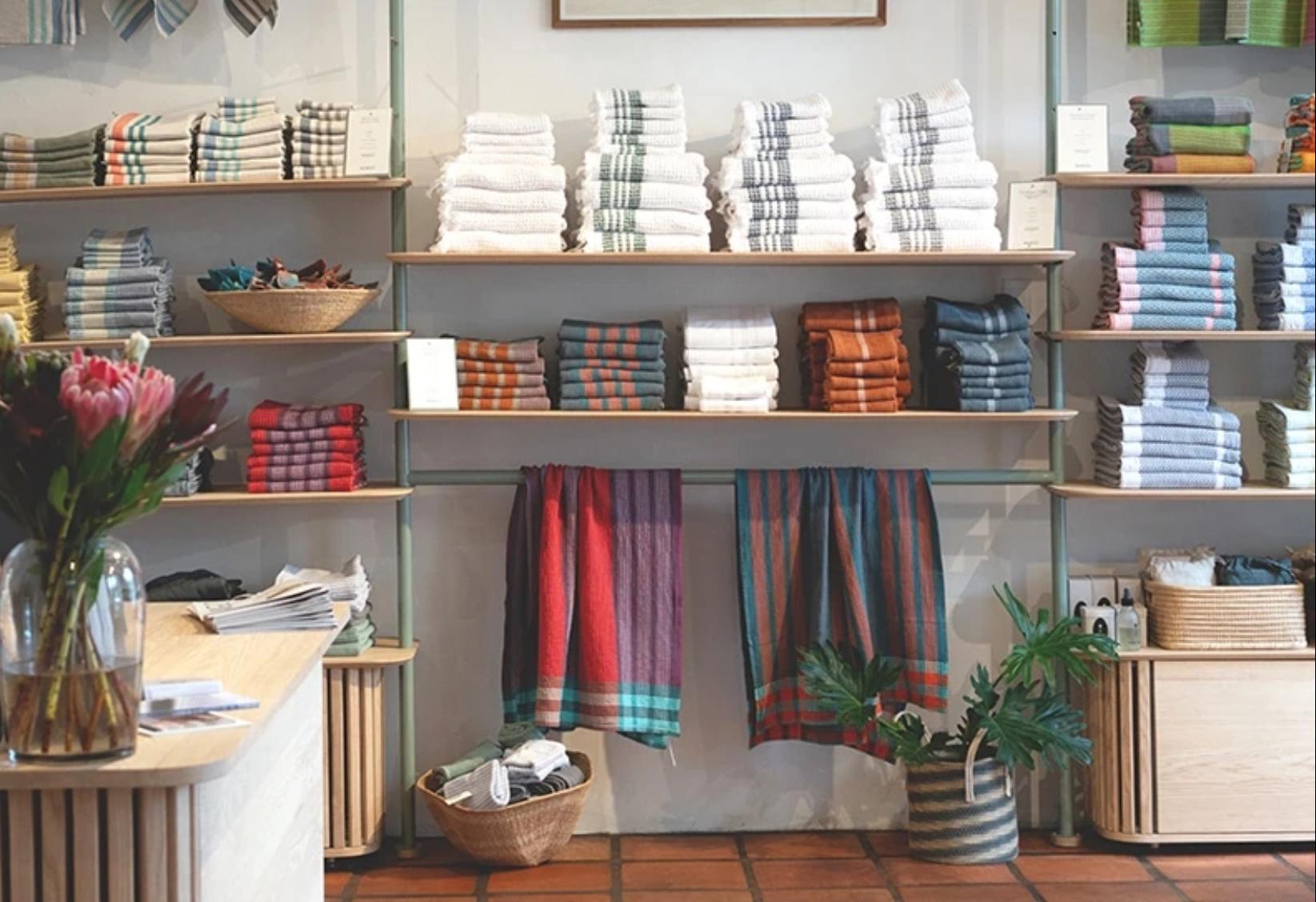
What is the key to marketing a sustainable company that sells premium items, while cheaper alternatives are readily available elsewhere at big box stores and discount marketplaces?
It’s about helping the consumer to understand; pulling back the curtain a bit to show them behind the scenes. There’s a lack of transparency when it comes to the textile industry. The Mungo Mill, where all our production is done, is open daily to the public. It’s a space that helps bridge the gap between producer and consumer, and gives witness to how much skill and craftsmanship goes into your Mungo product. Being more informed helps people make better choices, one where they feel empowered by their purchasing decisions.
It’s also about changing mindsets around consumer culture, and slowing down the cycle. We’ve become conditioned to endlessly buy more (retail therapy says it all) and to accept inferior quality goods. Mungo produces an heirloom-quality product - one that’s designed to endure, rather than be destined for the landfill. As producers we also have a responsibility to encourage people to buy less, and buy better.
Tell us about the MOVE initiative and what it took to make that happen?
MOVE is Mungo’s Corporate Social Responsibility Initiative. It was the brainchild of our MD, Dax Holding, who has been a supporter of global B-Corp movements, and who quickly recognized Mungo’s responsibility to give back. Every year 1% of Mungo’s turnover goes towards MOVE, which is used throughout the year to support causes and projects that uplift and empower our local community.
Through MOVE we run our annual Kids of Kurland workshop, where students from the Crags Primary School are given the opportunity to design their very own kikoi colourway - of which a winning design is then sold in our stores to support a much-needed additional teacher at the school. MOVE has also supported our annual Swim Club project, through which we raised funds for ocean conservation organizations like Waves for Change and I AM WATER. It has provided financial assistance in disaster relief, has supported the work of the Green Hearts and their plight against gender-based violence in the Garden Route–with many more big dreams in the works.
What did it take to create a brand presence in the United States? Why did you choose the .US domain?
In the early days we attended trade shows like New York Now to reach suppliers. Later we opened a physical store in Charleston, South Carolina and our USA website. This helped get our product directly in the hands of the customers, although later we closed it down. But the USA website Mungo.US was there to continue to fulfill their wishes.
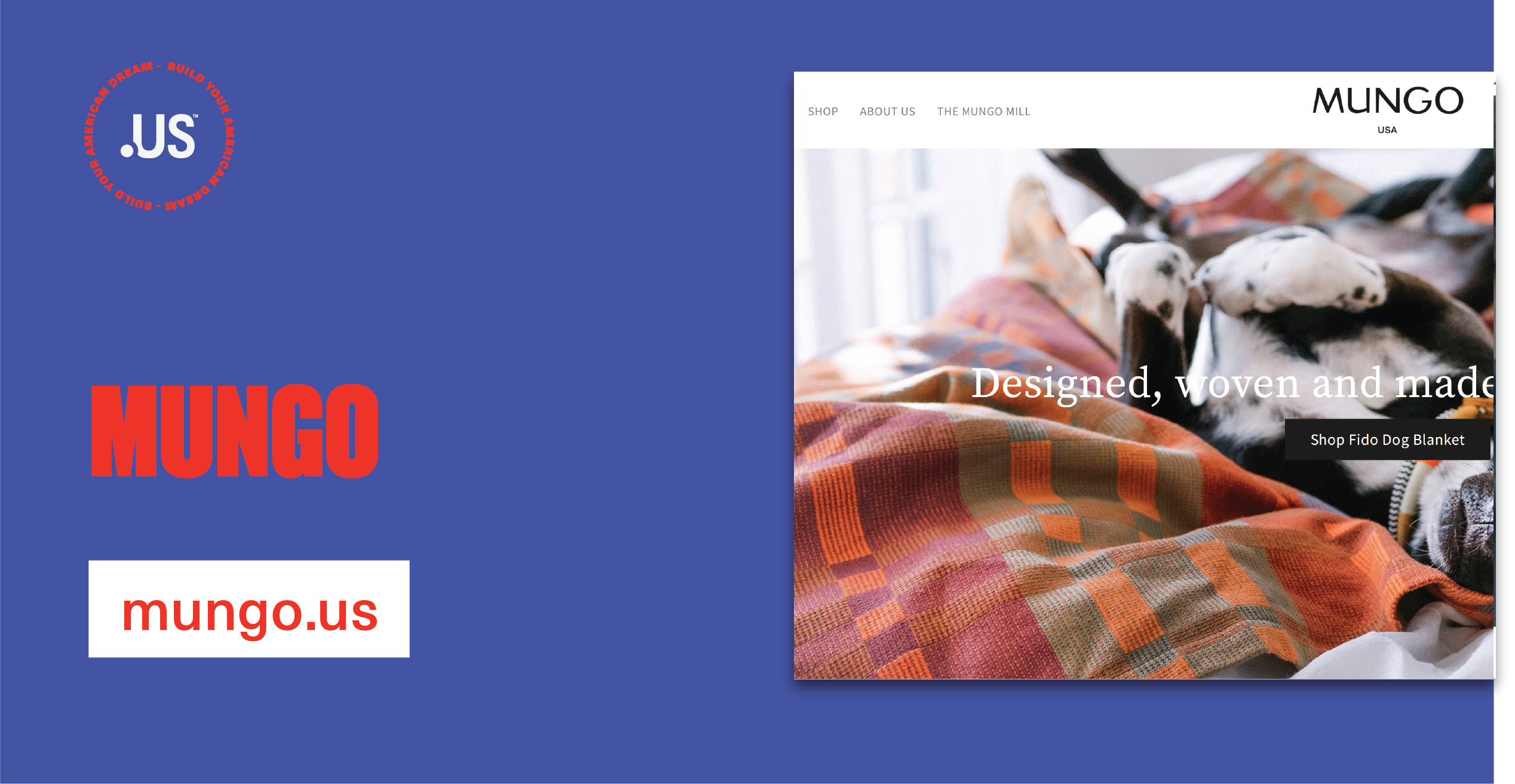
Our strategy around websites was to use a top level domain name rather than nesting subdomains under our existing .co.za domain and the .us domain was available. It seemed like the best fit. As we are a South African brand, I think a .US domain helps to better resonate with our audience, building a sense of trust and credibility with our US customers, as well as building on our SEO ranking.
The website is beautifully designed. Walk us through the look and aesthetic choices, and how the end-product speaks to marketing and branding of the site.
When designing the website we wanted a clear emphasis on the imagery as our product is beautiful and of an exceptional quality. It's hard to convey how good a textile 'feels' on a website–but we hoped our images would help to convey that, as well as strong weave constructions which are a hallmark of their quality and artistry. So we designed most everything to be as minimal as possible, with the images taking center stage.
Tell us about the Mungo Mill and why it was so important to open it for customers to tour?
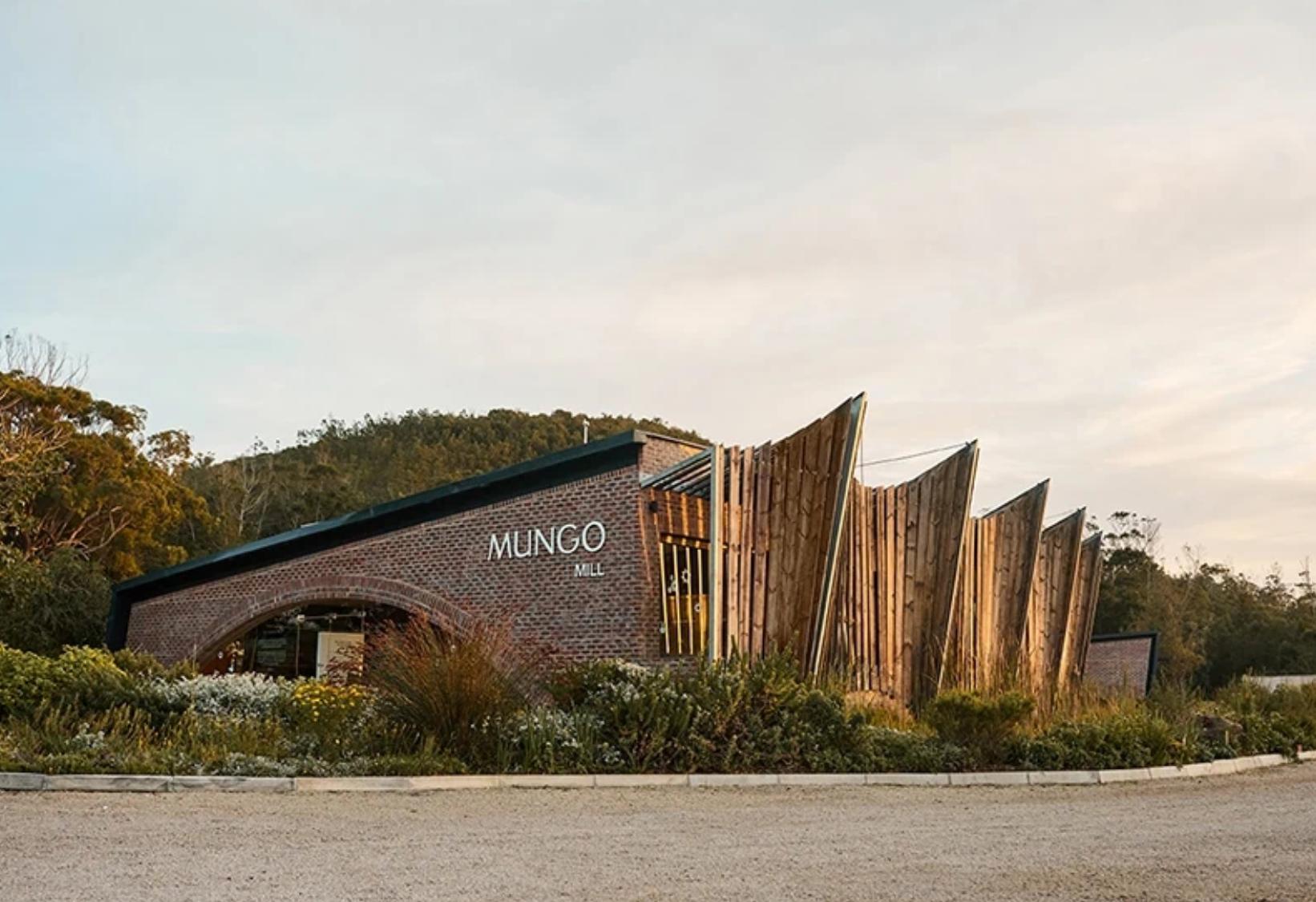
The Mungo Mill is our beating heart, where you’ll find the full scope of our operation, right from design, to the weaving, pressing, packing and worldwide dispatch. It’s a big part of who we are, a testament to our belief in transparency. Here you’ll find a cross-section of weaving techniques and technology through the ages, as we have looms and weaving machines that span right from pre-industrial to present day. Our visiting customers can develop a renewed appreciation for the finished cloth, and for the craftsmanship and skill that brought it to life. The space shines a light on a highly guarded industry, and shows how things can be done–in a way that quality, artistry, form and function are interwoven with socially and environmentally responsible production.